Is generative AI ending the era of unique work?
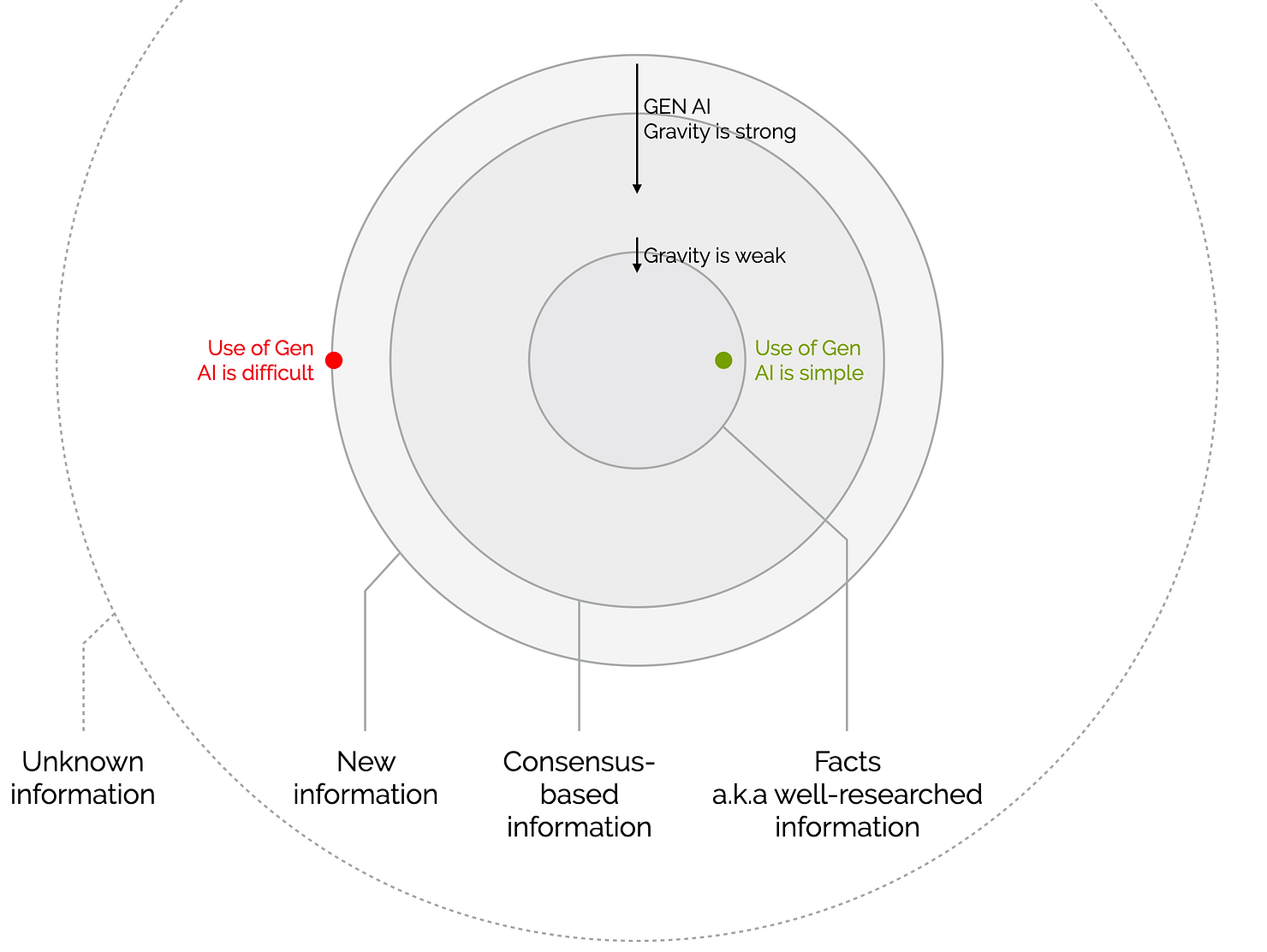
Imagine this: 99.9% of what you do has already been done before, by someone, in some form. It might feel uncomfortable to admit, but most of what we produce isn't unique. And that's exactly why generative AI works so well.
Consider a simple example. Ask ChatGPT or Midjourney to create content about dinosaurs, and you'll get impressive results in seconds. But if you ask for insights on the latest cancer research, you're more likely to receive vague clichés or even hallucinations. Generative AI thrives in areas where it's been trained on a wealth of similar content—where patterns are easy to replicate.
The implications of AI "knowing it all"
Now, let's talk about the impact. Think of tasks that have been repeated countless times. Take the process of creating a corporate strategy outline. This used to be a project for a team of consultants, involving high fees and time. Today, a CEO can draft a reasonable outline in 15 minutes. Sure, they may still need help implementing it, but drafting strategy is no longer a niche skill. It's knowledge we've documented and digitized to the point where AI can handle it.
This democratization of "expert" work is profound. Many tasks we consider "specialized" have commanded high fees simply because they're labeled as custom or tailored. But this illusion is fading. Who needs to draft a meeting agenda from scratch anymore? Or basic legal work? It's been done a trillion times, and now, AI can do it for us.
Three paths forward
In the short term, early adopters of AI tools will outpace those who stick to the old-fashioned, "unique" way of doing things. But in the long term, we face a choice of where to go from here:
- Do less – Hand over repetitive, standardized tasks to AI and simplify our workload.
- Do more – Flood the world with AI-generated everything, amplifying content production to an unprecedented degree.
- Venture out – Seek novelty and exploration once again. This could mark a renaissance of human creativity, where we push beyond what's been done to explore the genuinely unknown.
Which path will we choose?
It's up to us to decide what kind of future we want. Will we embrace the convenience AI brings and free ourselves from routine work? Or will we drown in an overflow of AI-generated content, erasing creativity in the process? Perhaps the greatest opportunity lies in that third path—in reclaiming our human curiosity, using AI as a partner to push boundaries rather than merely repeating what's been done before.
More stories